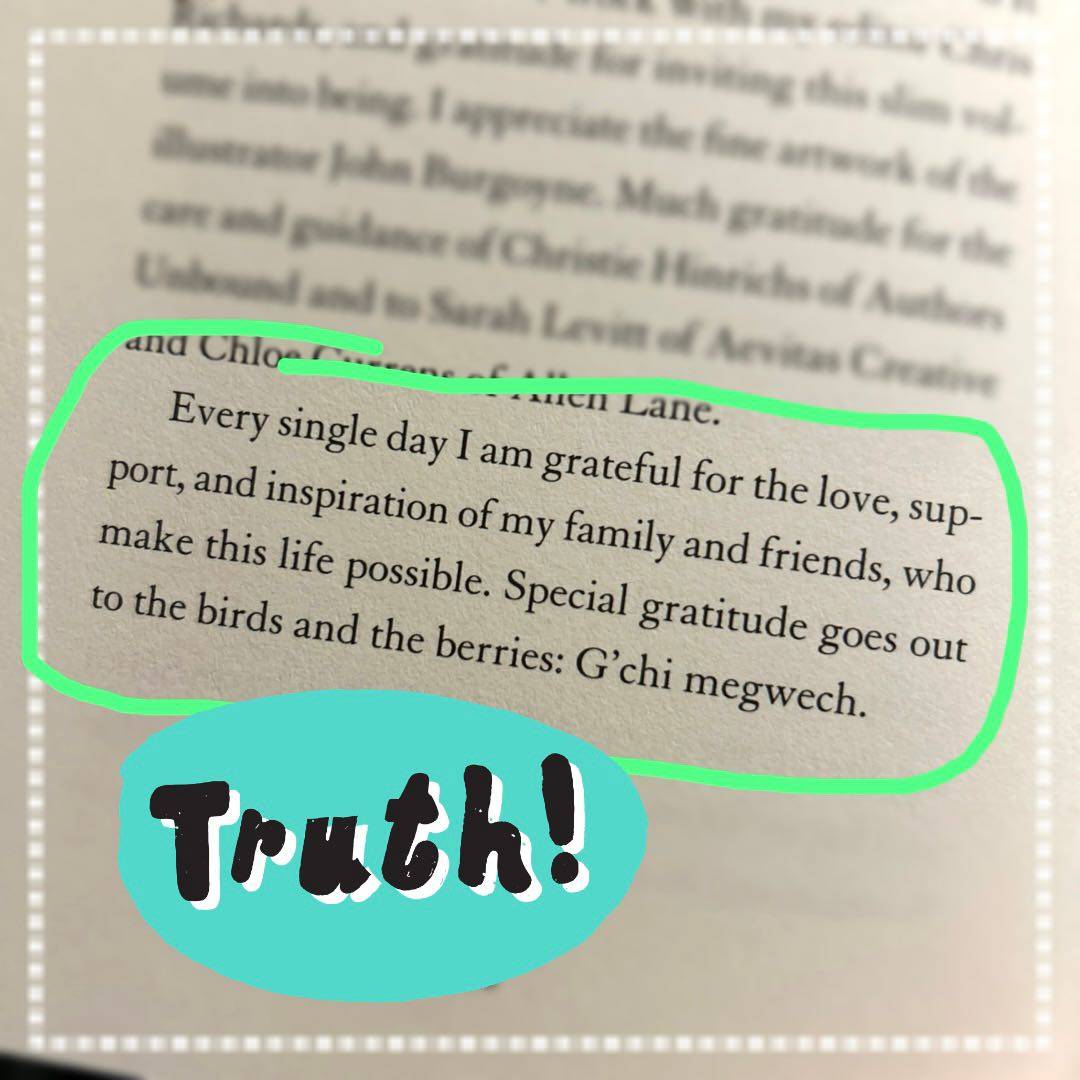
59 likes1 comment


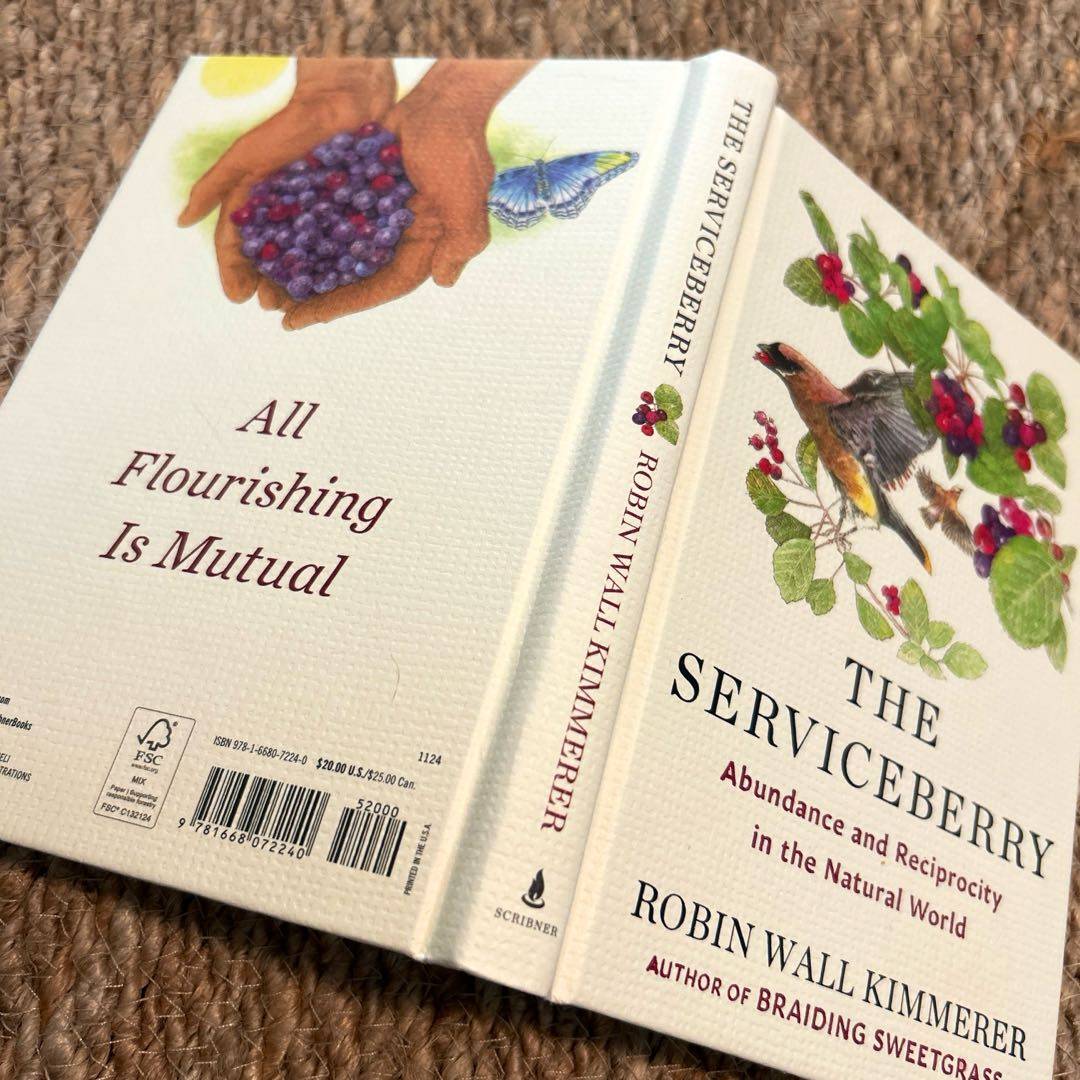
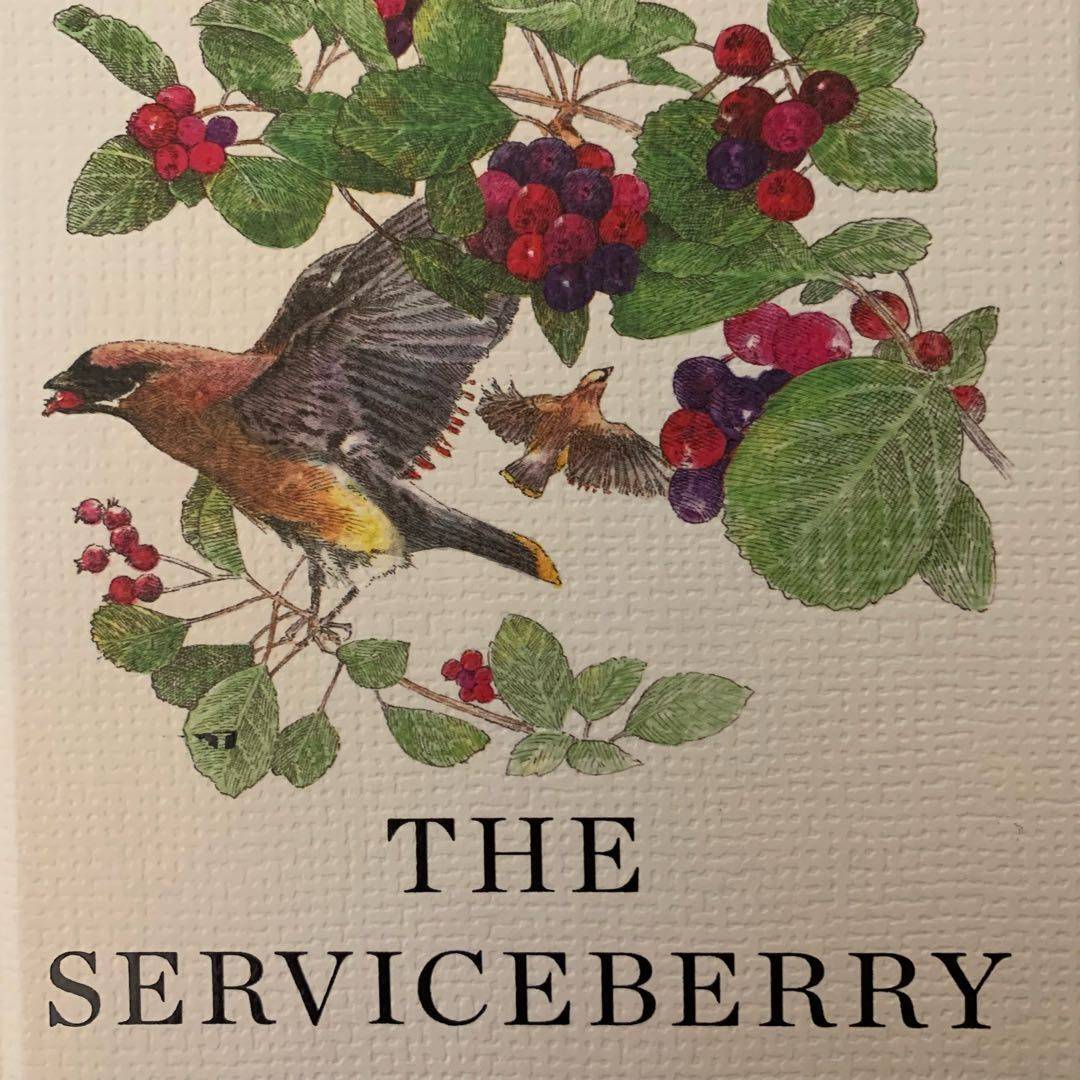
A beautiful #endpaper #illustration by #JohnBurgoyne



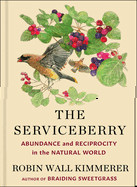
 Serviceberry: Abundance and Reciprocity in the Natural World |


 pick
pickThis was a lovely (and short!) read about how reciprocity, abundance, cooperation, collaboration, and sharing are better for Earth and all its inhabitants than the current economy based on extraction, exploitation, commodification, scarcity, and personal ownership.
It‘s a much needed message of hope. We can all be a little more like the serviceberry in our relationships.
The audiobook, narrated by the author, is highly recommended!
 pick
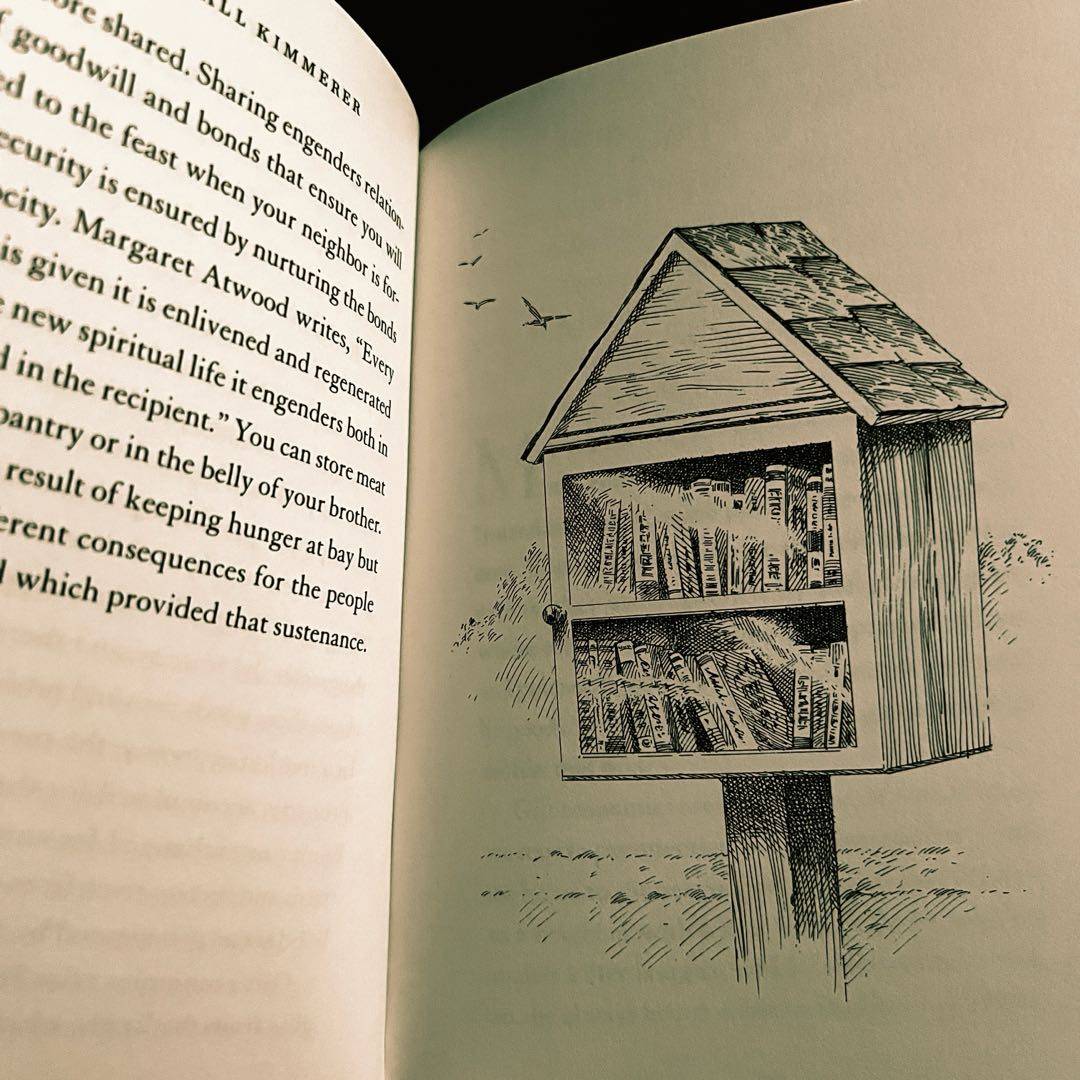
pickShort and sweet! It‘s good to think about gift economies like little free libraries.
 pick
pickI grabbed this for #RiseUpReads (although a few weeks late 😅) but still the timing of this book‘s message was right on target. It‘s willful optimism with each sentence and don‘t we need that right now? It also serves a pleasant reminder how a gift economy should focus on the relationships between parties rather than simply disposable consumer goods. I loved this and can‘t wait to refer it to so many friends & fam.

"Share.
Give thanks for what you have been given.
Give a gift in reciprocity for what you have taken."
 pick
pickMy goodness, what a thoughtful, wise, sensible, beautiful book. I listened on audio, but I‘m buying a physical copy, because I want to read it again and again, highlight passages, and write in the margins.
#Pantone2025 #Winterberry @Lauredhel
 pick
pick#Read2025
Finished earlier this week for #RiseUpReads 2025 & #MonthlyNonFiction this was a beautiful & inspiring little book about reciprocity, gratitude & and a push for a gift economy seen through the lens of nature. Braiding Sweetgrass has been in my TBR for ages & now I feel like I should move it up.
 pick
pickLovely thoughts on gratitude for the natural world and embracing reciprocity in our very competitive economy.
#RiseUpReads @Catsandbooks #MonthlyNonfiction2025 @julieclair
 pick
pickI was surprised to find a German translation of November's #riseupreads choice in our library. Do I know what a Serviceberry is? Nope. It was still an interesting read, that gave me something to think about. I love the idea of moving away from capitalist thinking to a more giving society. Still, the book itself was missing something for me, to really call it a hit. Glad I read it, anyway.
@catsandbooks
 pick
pickEnjoyable, but I wish it was longer. I felt it only scratched the surface of something before moving on and I wanted to know more!
#riseupreads
Via @catsandbooks Reminder for November #RiseUpReads 2025
Read at your own pace. There will be a discussion post on Litsy at the end of the month.
Please tag me in your posts & use #riseupreads
If you're not currently tagged & would like to be, let me know.
Reminder for November #RiseUpReads 2025
Read at your own pace. There will be a discussion post on Litsy at the end of the month.
Please tag me in your posts & use #riseupreads
If you're not currently tagged & would like to be, let me know.
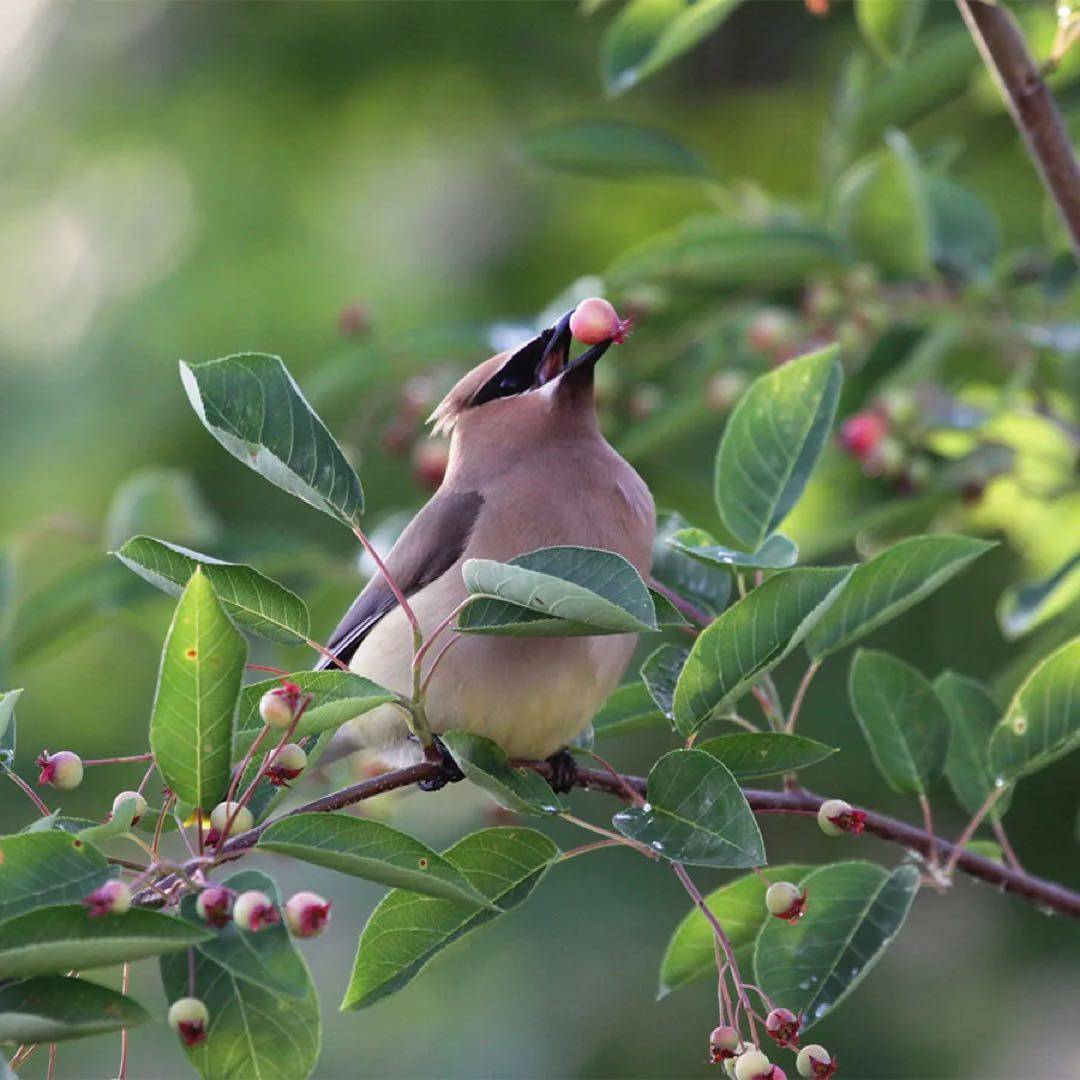
I believe that theft is punishable by law, and we need to elect leaders who believe in the rule of law. The fossil fuel economy is propelling mass extinctions in acidified oceans and disappearing forests, in deadly heat waves and untold human suffering. How far down the species-at-risk list are cedar waxwings? And serviceberries? I fear for the future of my sweet green valley and our small farmers. Already it is too quiet.
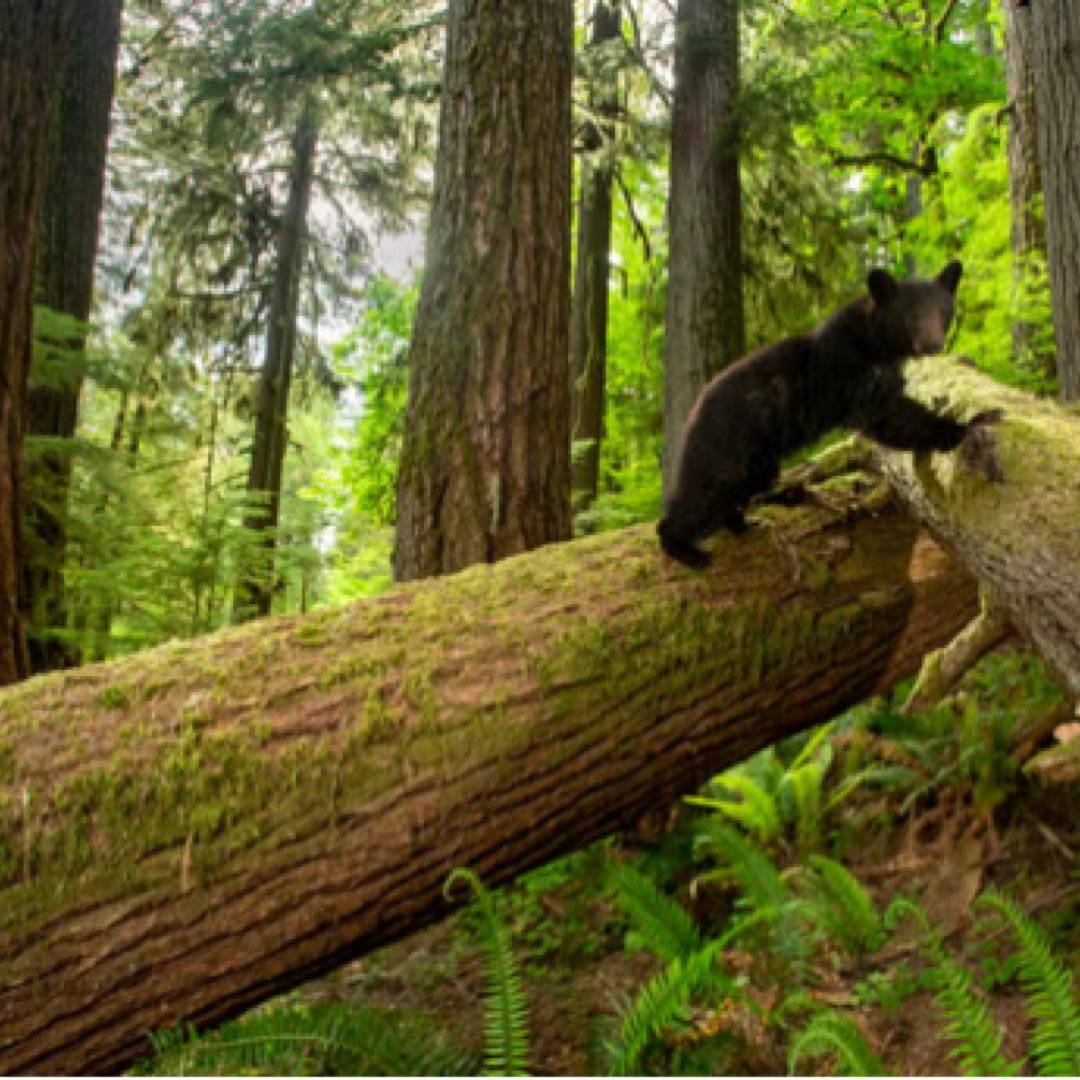
Where is the value of a butterfly whose species has prospered for millennia and lives nowhere else on the planet? There is no formula complex enough to hold the birthplace stories. It pains me to know that an old growth forest is worth far more as lumber as the lungs of the Earth. And yet, I‘m harnessed to this economy, in ways large and small, yoked to pervasive extraction. I‘m wondering how we fix that, and I‘m not alone.

When an economic system actively destroys what we love, isn‘t it time for a different one? Some powerful feminist thinkers call us to remember that gift-giving is among the most primal of human relationships. Each of us begins our life as the recipient in what Genevieve Vaughan has called “a maternal gift economy,” the flow of gifts and services from mother to newborn. When a mother nurses her child the common good is the only one that matters.
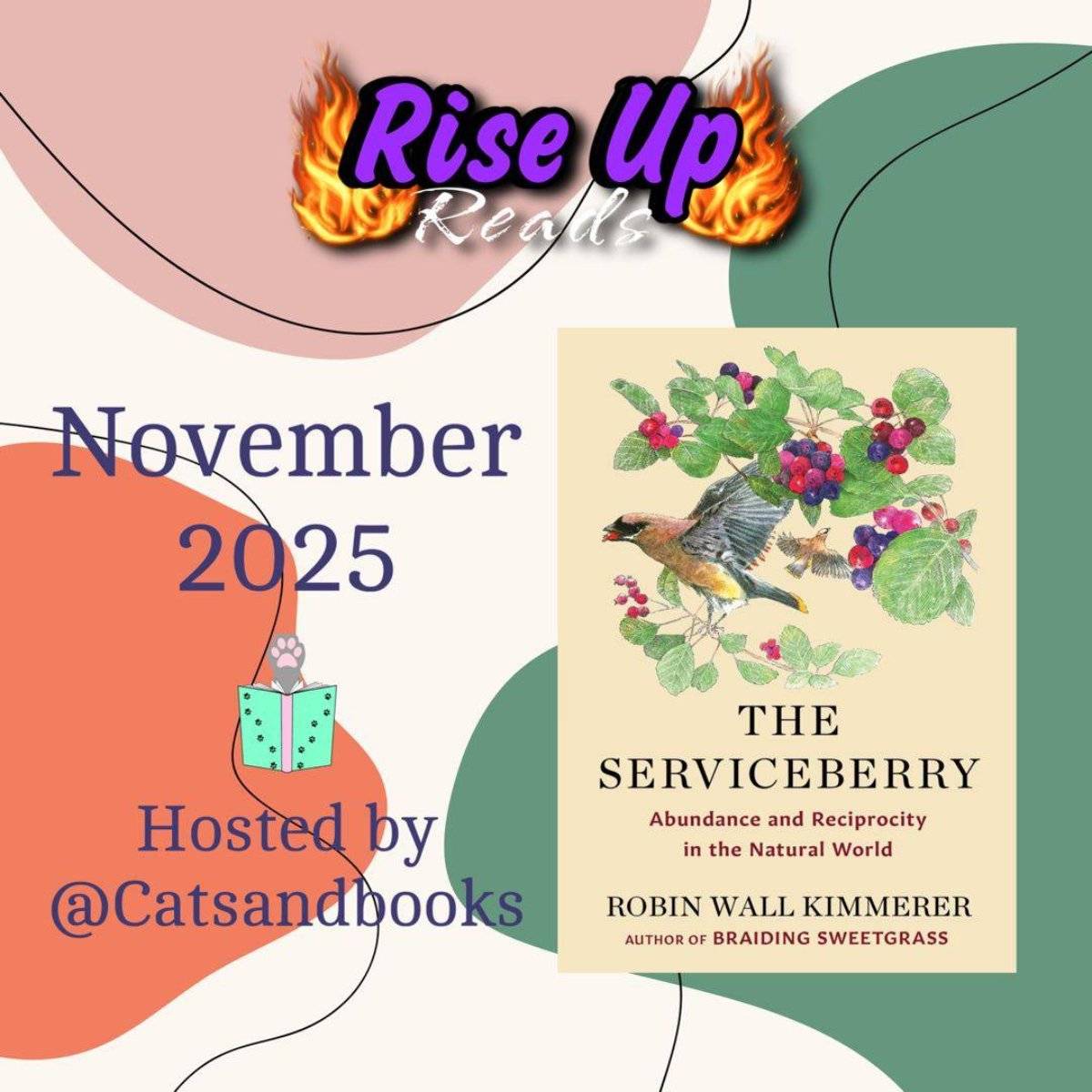
repost for @Catsandbooks
#RiseUpReads November 2025
The Serviceberry by Robin Wall Kimmerer
Read at your own pace. There will be a discussion post on Litsy at the end of the month.
Please tag me in your posts & use #riseupreads
If you're not currently tagged & would like to be, let me know
Content Warnings: colonization, classism, racism, animal death, religious bigotry, pandemic, cannibalism
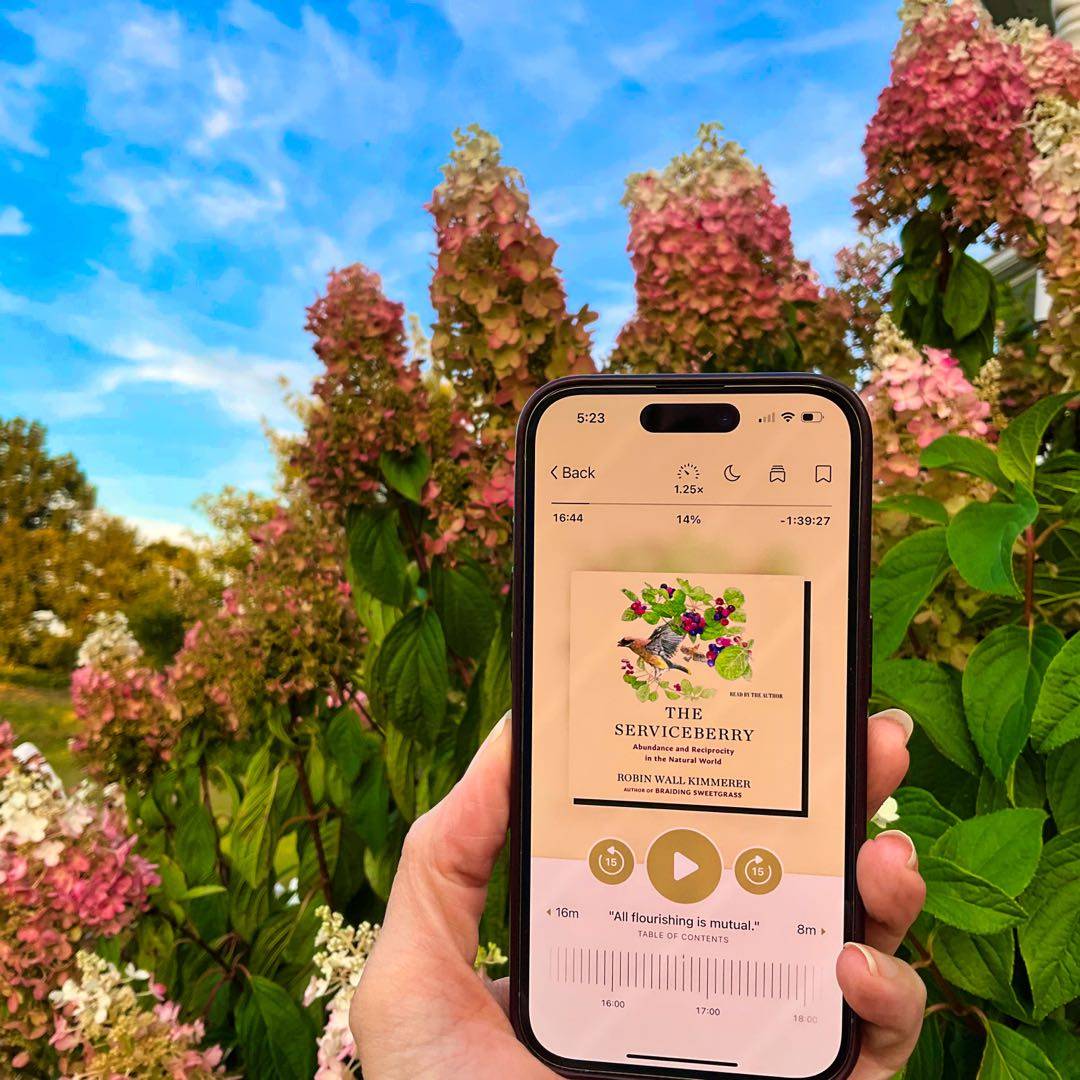 pick
pickI was delighted to finally have my turn at reading Robin Wall Kimmerer‘s book, “The Serviceberry.” She argues that we have been taught to accumulate possessions and take more than we truly need. In contrast, she explores the indigenous culture‘s practice of sharing with its community, which she refers to as a gift economy. Her stories and wisdom left me with a warm and comforting feeling.
Full Review abookandadog.com/blog/the-serviceberry
 pick
pick“I‘ve long believed that the ones who have more joy win. Maybe this levels the power differential between us and Darren. We have joy and justice on our side. And berries.” A short but powerful book that explores the idea of replacing greed and capitalism with a more gratitude-filled system. The gift economy. With lessons from the natural world on how to live and thrive. Love this author!
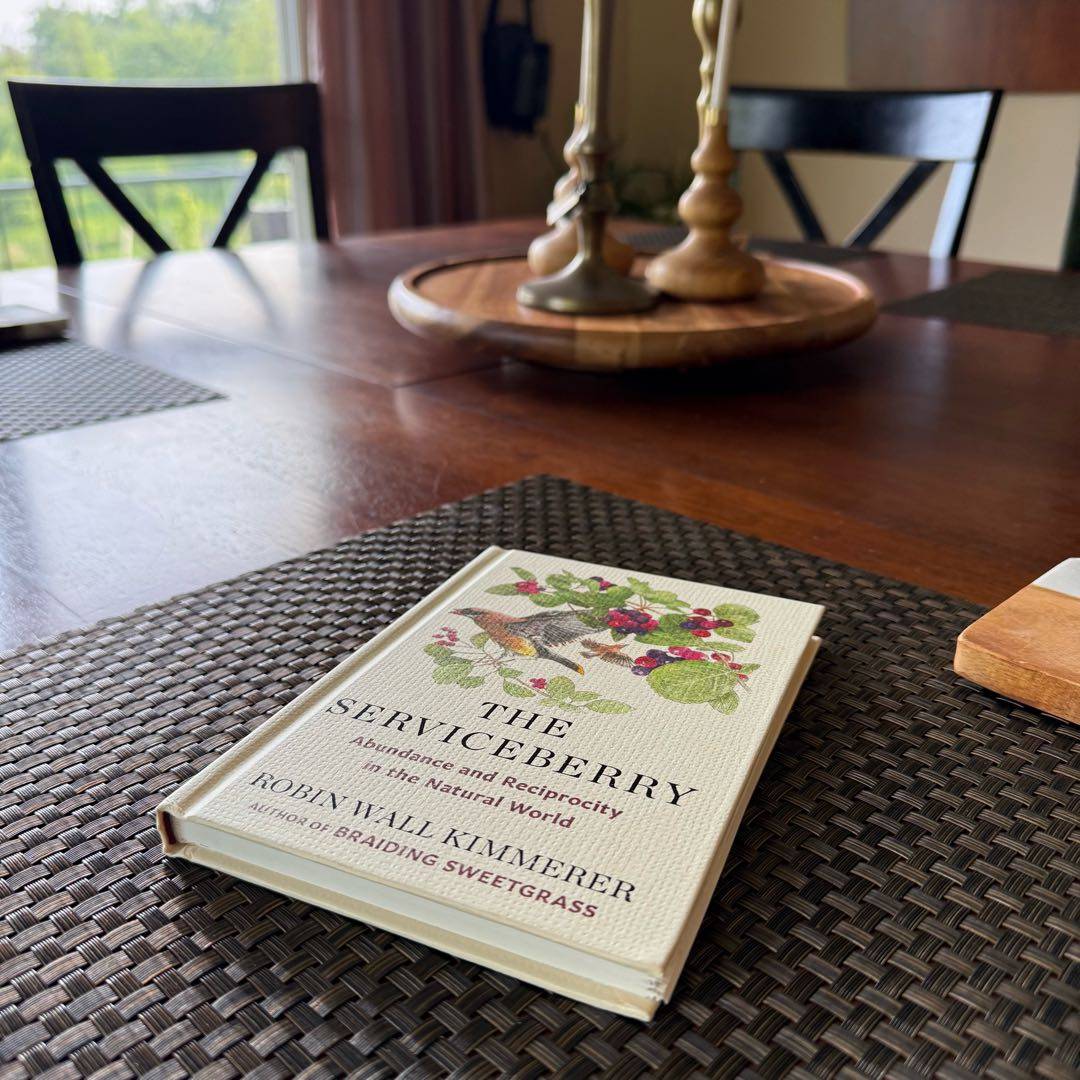
As an avid birdwatcher, and having just planted serviceberry and other shrubs to attract more birds, when I saw this at the bookstore, of course. Of course I bought it. 🐦🌳
#birdwatching #springtime
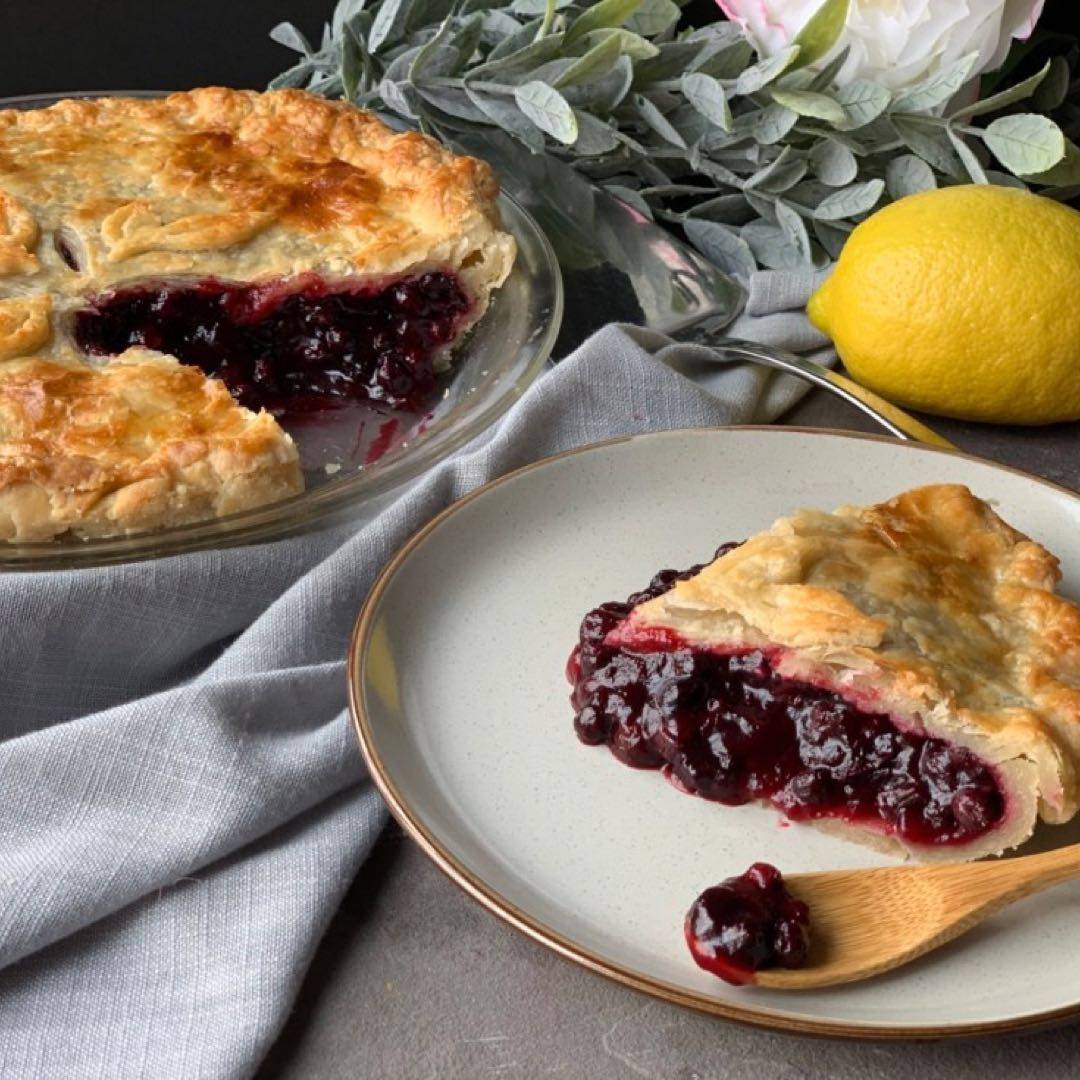
pickI love the connection Robin Wall Kimmerer holds with the earth. Her writing always makes me want to find a better way during my journey here on this planet. Her voice is soothing and inspiring. I know the berry by the name sugarplum. The berries are a gift as are other berries and fruit. Thank you to the author and for those who recommended this book to me. 5/5🌟
 pick
pickI didn‘t expect this book to be so small. But it certainly packs a punch. Rather than a brief history of the serviceberry tree, the author, who is Indigenous, uses it as an example for how we can and why we should, move away from a capitalist economy, and into a heart centered one. This is called a ‘gift economy‘. In a world not ruled by greed, there is only the cycle of caring, giving, receiving, and giving again. There is more than enough⬇️
Regenerative economies that reciprocate the gift are the only path forward. To replenish the possibility of mutual flourishing, for birds and berries and people, we need an economy that shares the gifts of the Earth, following the lead of our oldest teachers, the plants. They invite us all into the circle to give our human gifts in return for all we are given. How will we answer?

The Indigenous philosophy of the gift economy, based in our responsibility to pass on those gifts, has no tolerance for creating artificial scarcity through hoarding. In fact, the “monster” in Potawatomi culture is Windigo, who suffers from the illness of taking too much and sharing too little. It is a cannibal, whose hunger is never sated, eating through the world. Windigo thanking jeopardizes the survival of the community by incentivizing⬇️
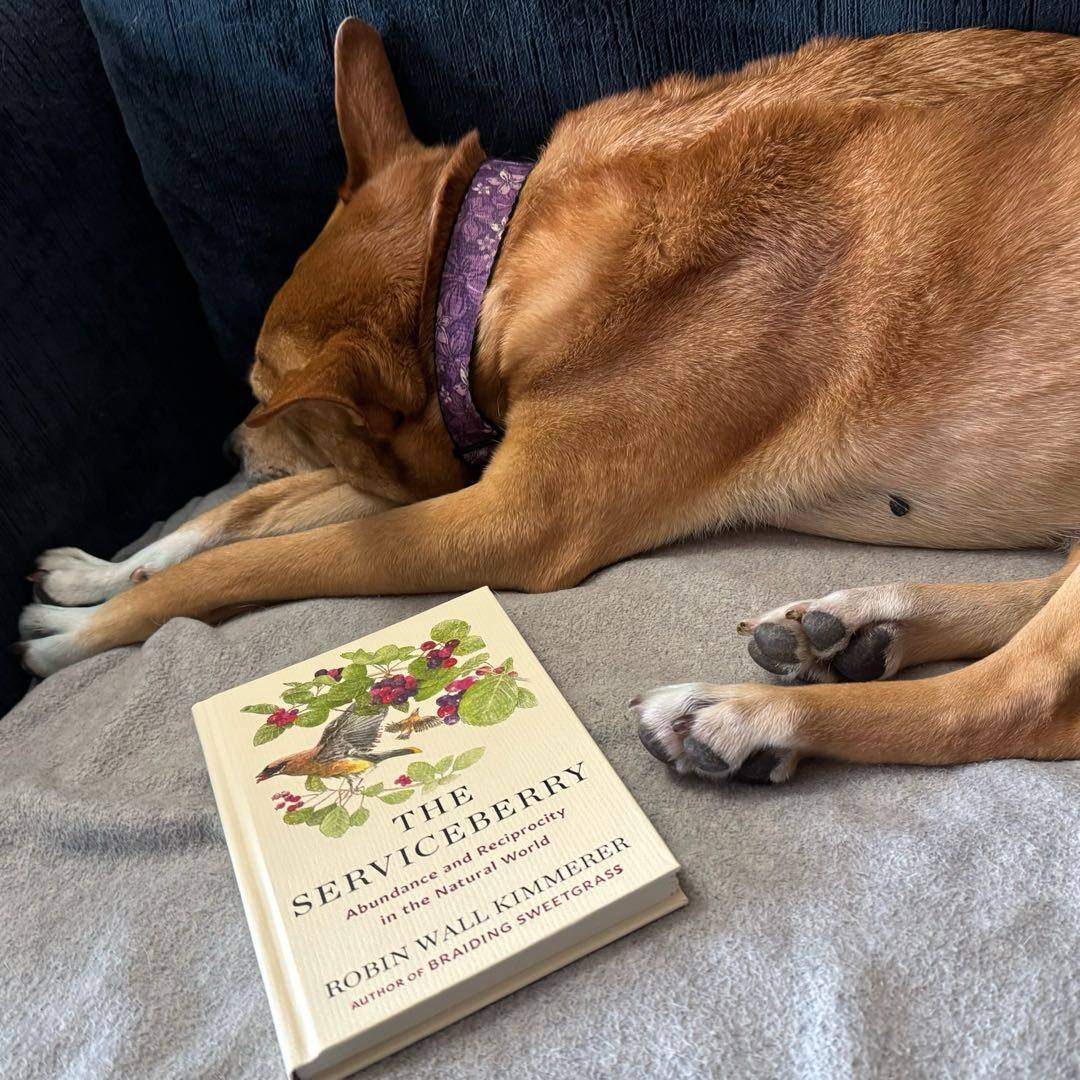
pick#Read2025 The author narrates her own book and she has such a peaceful sounding voice. She seems to be very much in tune with the world around her and she has a great deal to teach. Recommended. I thought I read this for a challenge or a buddy read but I can‘t find which one.
 pick
pickI did not know how many names the Serviceberry has. The one I knew it as is Sugarplum.
If you have enjoyed Braiding Sweetgrass or Gathering Moss, you‘ll fall right back in to this short book. But be aware it is much more about Gift Economy than about plants.
My favorite idea is that if you have an abundance of food, more than you can use, you should store it in the belly of your brother (sister, neighbor, etc), trusting reciprocity.
 pick
pickI listened to this twice before returning it to the library. This is a book that outlines ancient practices that we‘ll surely be required to practice in the future. Not consuming more than you need or that the planet can sustain, of sharing within a community. I lived on a commune for years just for this reason. Eventually upon moving to Vermont my husband ran a business that was paid through bartering more often than cash. It‘s the way to go.
 pick
pickI really enjoyed this book and loved the idea of gift economies. Like Kimmerer, I understand that replacing our economy with one like this would be impossible because of how entrenched our economy is, but, as she points out, we already have a small gift economy running alongside ours in the form of things like little free libraries and shared lands. Increasing these will give us a greater sense of community.
I can‘t sleep, so I‘m reading this book. I keep meaning to read Braiding Sweetgrass, but haven‘t done it yet.
 pick
pick“All flourishing is mutual.”
“We don‘t all have to own everything.”
A lovely little book singing the praises of libraries and the “gift economy” with examples from nature. A beautiful volume full of lovely illustrations of cedar waxwings and plants. Very slim, but does its job perfectly. A wonderful reminder to spread the wealth and as always from Kimmerer, keep our natural environment in mind.
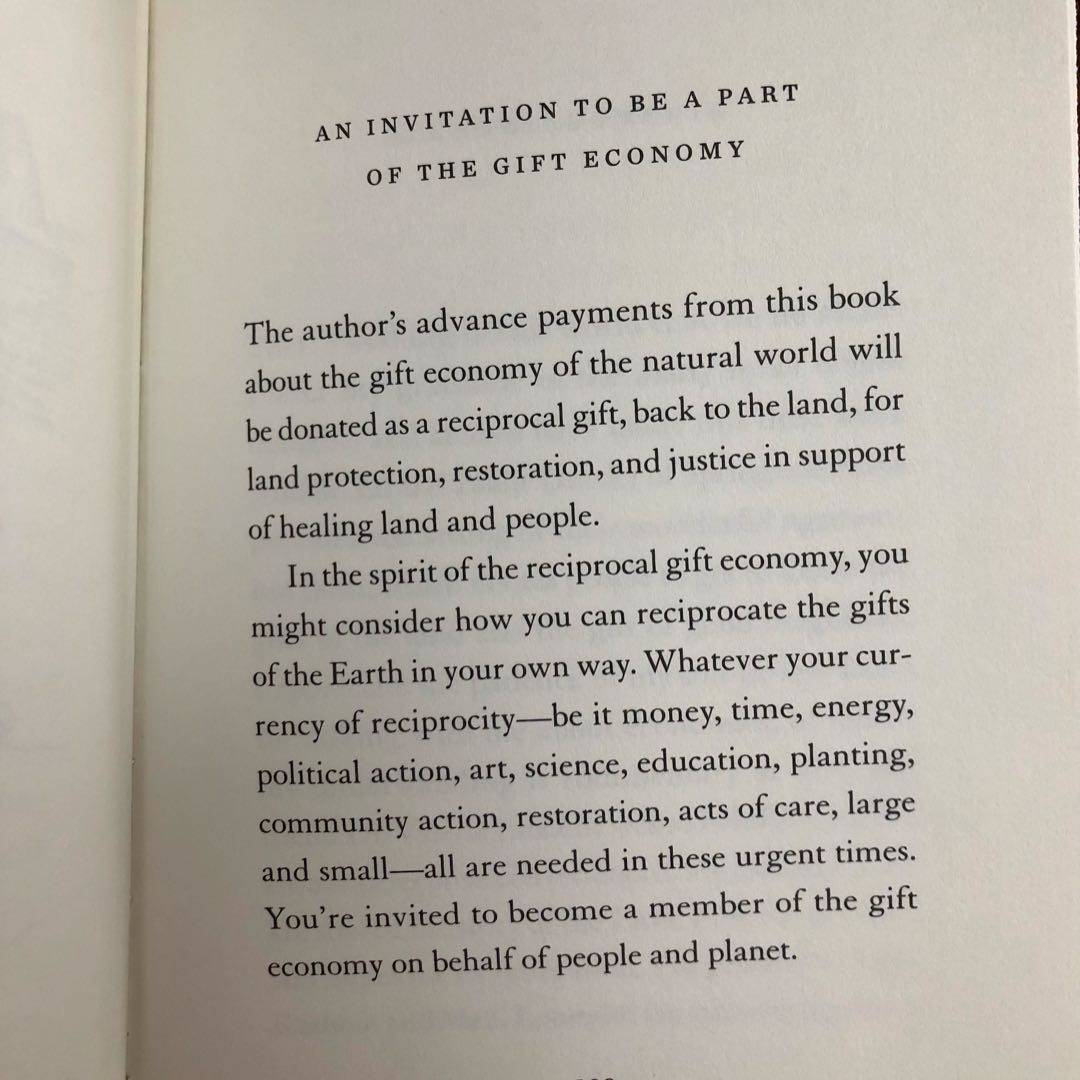
Love this invitation! We all do this anyway, but by being actively conscious of it we can better appreciate the gifts we‘ve been given and those we give. We can even level up.
 pick
pickKimmerer‘s writing is always lovely and this is no exception.
Excellent ecological & economic ethos to focus on in the new year: restraint, respect, reciprocity. We can each contribute in our own ways.
 pick
pickBeautiful manifesto
I was delighted to unwrap this little book today from my mother in law. It just so happened to be a rec in the latest episode of the podcast for the theme of “Resetting in the New Year”. Can‘t wait to dive in.
 pick
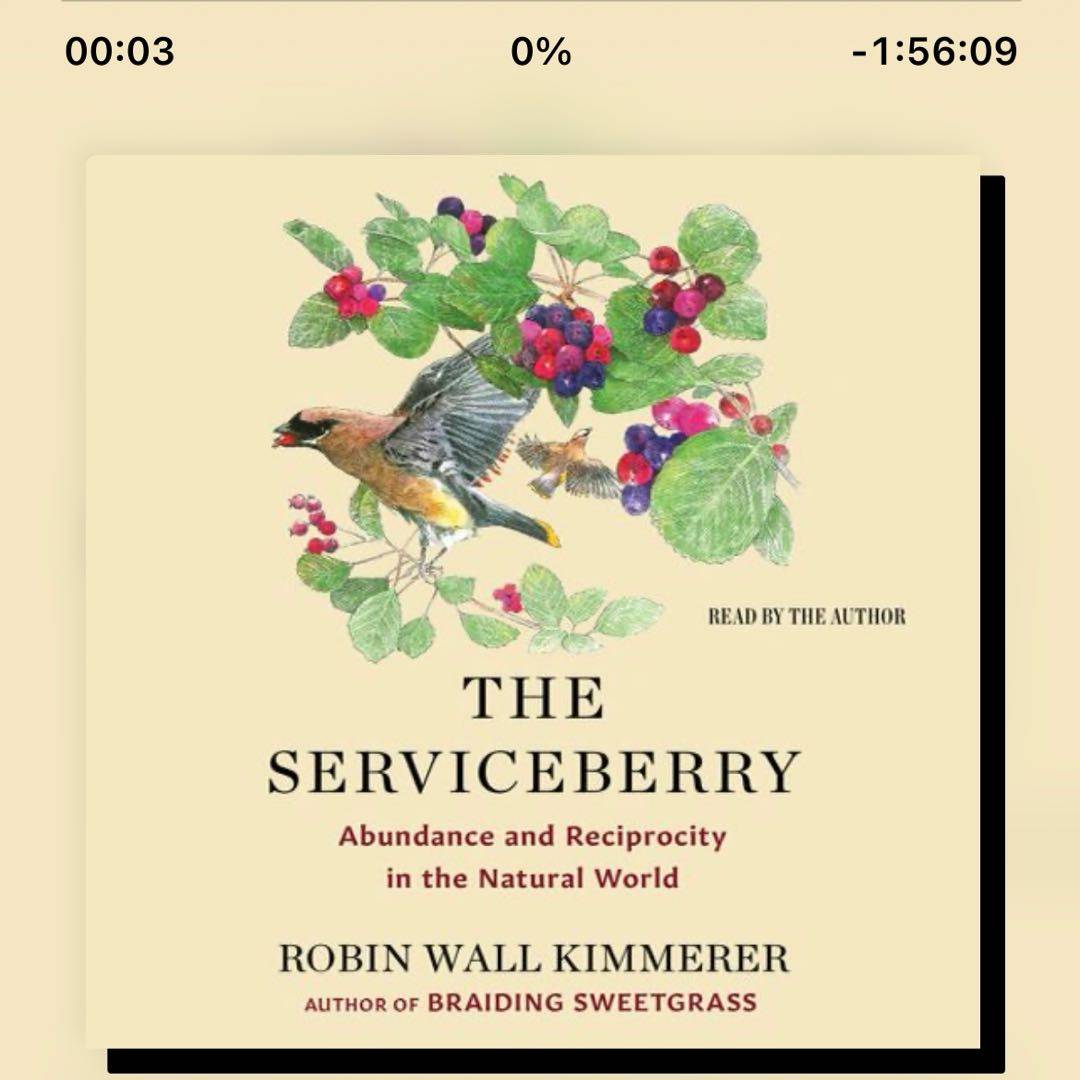
pickThis is more of an essay about how we as a society are too dependent on consumerism and our economy and how we should cut back and share/gift more. As a librarian with 2 Little Free Libraries, a Caring Cupboard at work, a food donation bin that always seems to be full and a new found love of sewing/upcycling, I whole heartily agree. She uses the Serviceberry throughout the book as she makes her points. I very much appreciated this one.
 pick
pickLoved it!!!!
One last wild travel day. I usually get a lot of reading done on airplanes but entertaining a toddler has really gotten in the way of any reading time 😅 ##WeekendReads
 pick
pick4/5
I thought this was a really lovely essay about what we can learn from the serviceberry and ecology more broadly about gratitude, reciprocity, community, and gift economies. I found it's message very inspiring.
#netgalley
 pick
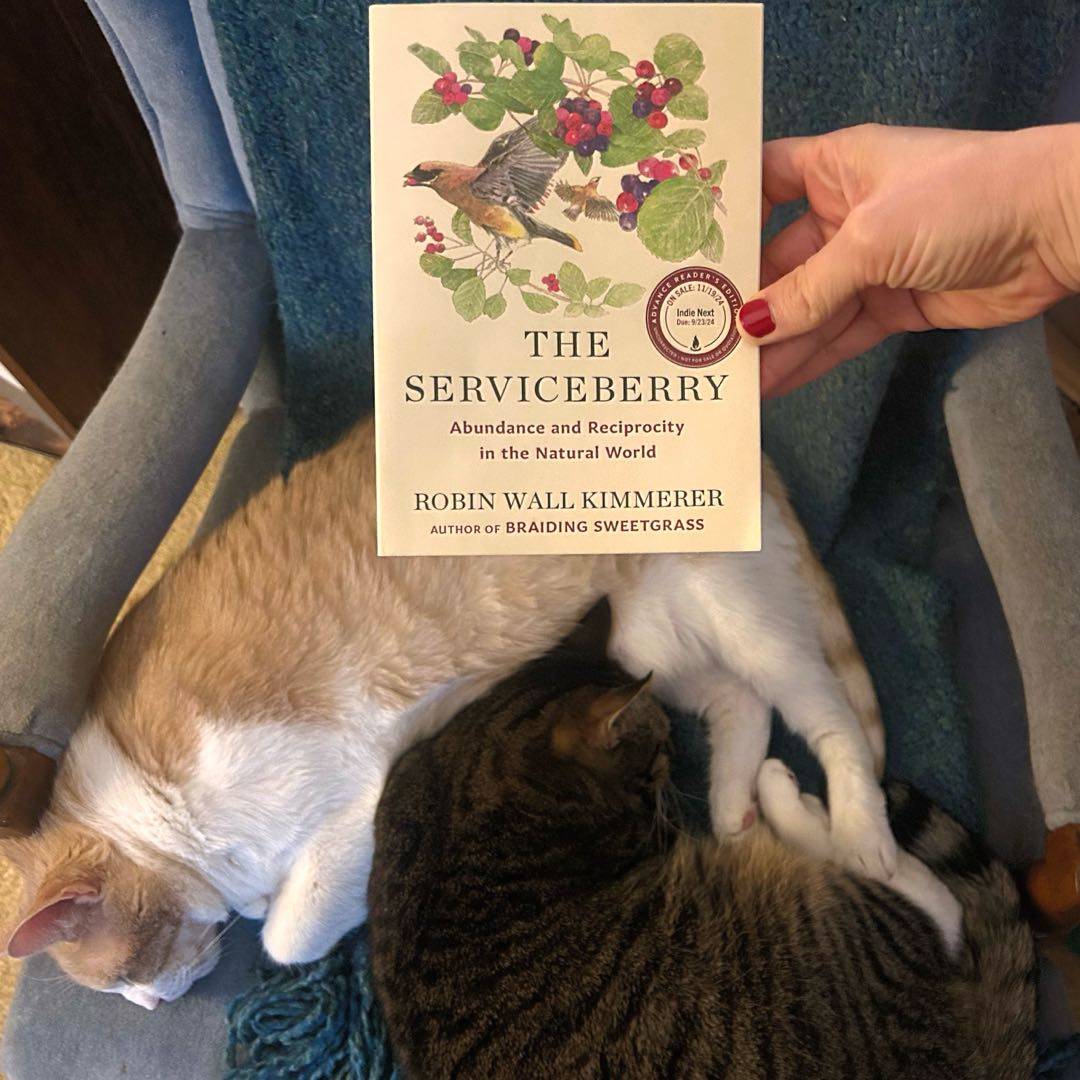
pickFans of Braiding Sweetgrass, rejoice! Robin Wall Kimmerer has blessed us with a compulsively shareable contemplation of nature‘s exquisite gift economy and how it can inspire us to imagine and act toward a saner, more sustainable, equitable, and joyful biophilic economy. As I was reading, I kept feeling that a new classic had arrived in the nick of time, one I imagine becoming an annual tradition to read, revisit, and grow from each time.