


13 likes1 comment


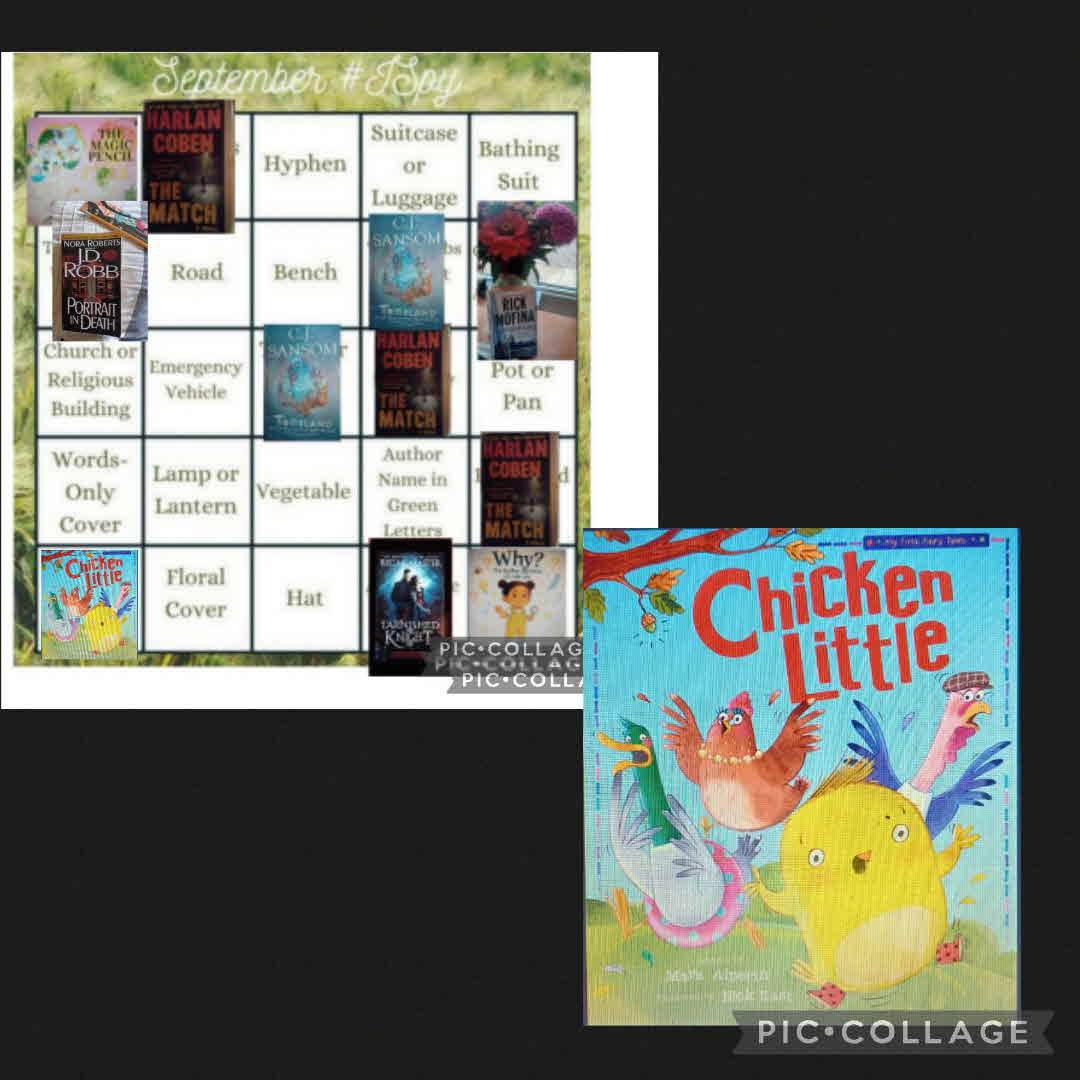
This book is an excellent example of a fairy tale. It is a classic story most students have heard and would be excellent to explicitly teach parts of fairy tales.



This book is an excellent example of a fairy tale. It is a classic story most students have heard and would be excellent to explicitly teach parts of fairy tales.
This tale could be used as a silly story to read aloud to a classroom but could also be used as an example of how actions have trickle-down impacts. You could also use dominoes to show this chain reaction style event as well.
 pick
pickThis story is an example of a pourquoi tale that delivers an explanation for many “why“ questions. The title represents the initial why question that is explored throughout the story. The tale then continues on to tell a long tale of the lead-up to explanation of why the mosquito buzzes, explaining it's guilty conscience for causing the stories in the event to occur.
“But because of this the mosquito has a guilty conscience. To this day she goes about whining in people's ears: “ZEEE! Is everyone still angry at me?“ When she does that, she gets an honest answer.“
I would use Why Mosquitoes Buzz in People‘s Ears to build literacy skills and cultural awareness. Students can practice sequencing by retelling the chain of events, explore cause-and-effect relationships, and discuss how folktales explain natural phenomena. The story also opens space for conversations about African storytelling traditions, and students can create their own pourquoi tales to explain something in nature.
pickWhy Mosquitoes Buzz in People‘s Ears by Verna Aardema is a pourquoi tale. It‘s considered a pourquoi tale because it comes from the oral storytelling tradition, passed down through generations, and it explains why something in nature is the way it is (in this case, why mosquitoes buzz in people‘s ears). The story uses talking animals, a chain of cause-and-effect events, and ends with a cultural lesson, which are all typical features of pourquoi.
“To this day she goes about whining in people's ears: “Zeee! Is everyone still angry at me?“ When she does that, she gets an honest answer.“
I can use Why Mosquitoes Buzz in People‘s Ears to teach cause and effect, sequencing, and moral lessons. Students can retell the story with puppets or masks, act out the animal chain reaction, or create their own pourquoi tales. I can also connect it to a science lesson on insects or sound. These hands-on and activities that span over different subjects, but integrated, help students engage with both the story and its deeper meanings.
