
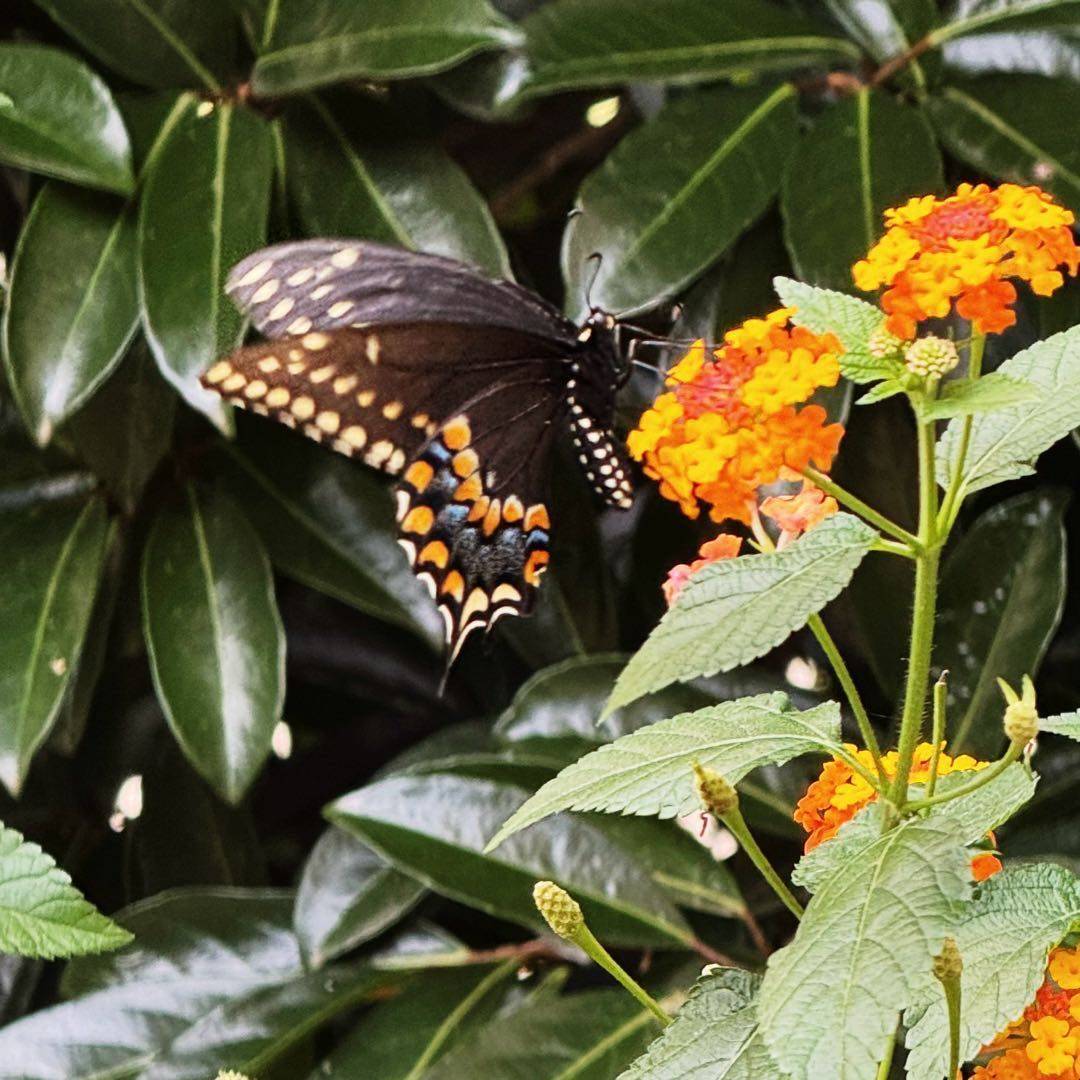
Caught this little beauty on my lantana plant last week! 🦋
#beautybreak
@ImperfectCJ
@AmyG,
@kspenmoll, @Tamra, @JessClark78, @Sace, @dabbe, @Dilara, @LiseWorks, @AnnCrystal, @uncommonlycozies

Caught this little beauty on my lantana plant last week! 🦋
#beautybreak
@ImperfectCJ
@AmyG,
@kspenmoll, @Tamra, @JessClark78, @Sace, @dabbe, @Dilara, @LiseWorks, @AnnCrystal, @uncommonlycozies
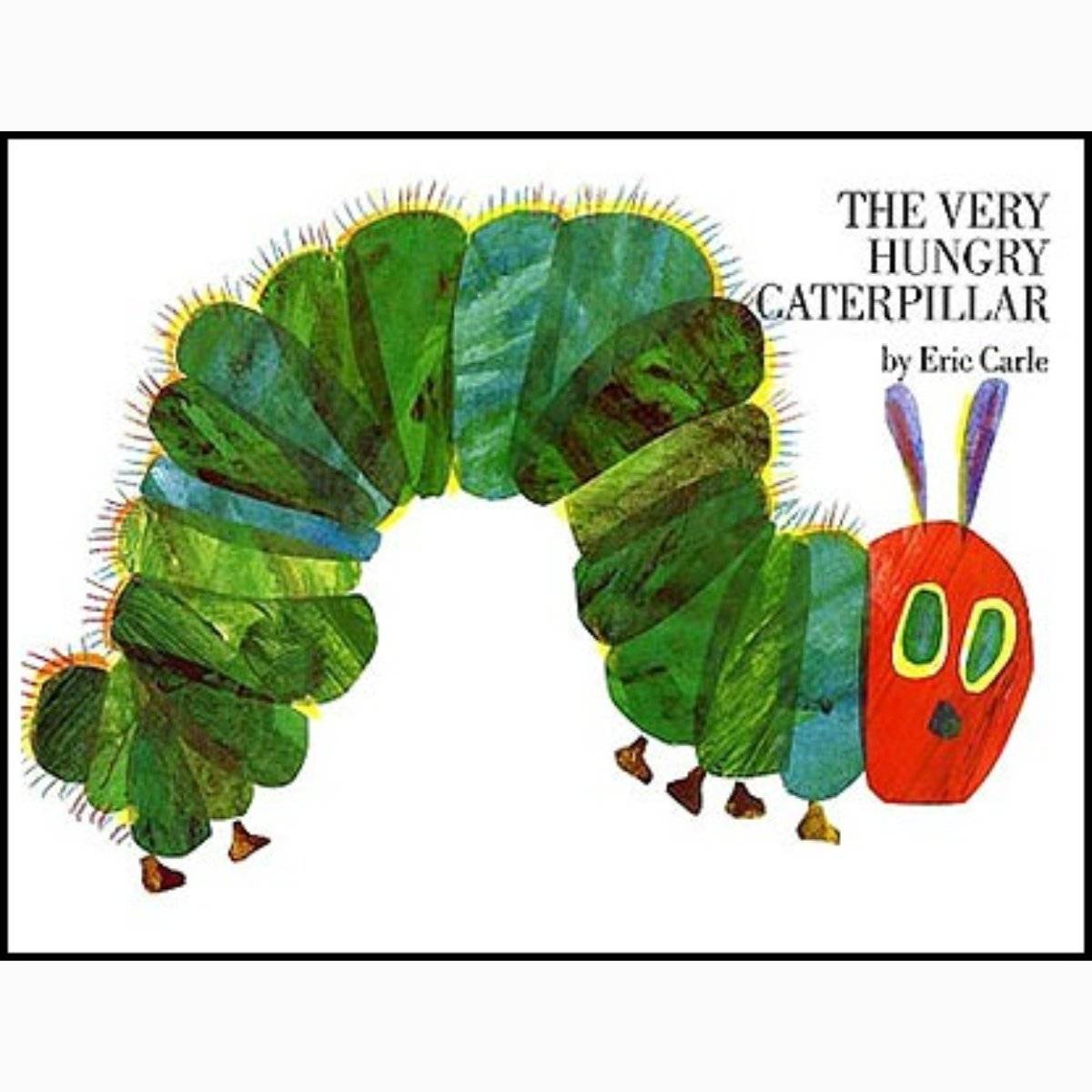
The Very Hungry Caterpillar can be used in preschool and early elementary classrooms to teach counting, days of the week, food groups, and life cycles.
Picturebook (1969): The Very Hungry Caterpillar by Eric Carle features iconic, colorful collage illustrations that bring the story to life. The bright, textured images clearly show the foods the caterpillar eats and its transformation into a butterfly. Carle‘s playful use of size, shape, and holes in the pages adds a tactile, engaging element that captivates young readers and supports early literacy and counting skills.
I would use this with younger children. The Very Hungry Caterpillar can teach days of the week, counting, and healthy eating. Use it for sequencing activities, chart the foods eaten, explore butterfly life cycles, and engage children in interactive reading by having them “feed” a paper caterpillar. It's colorful illustrations also support visual literacy and discussion of textures and colors.
Picture book (1969 & 1867) The illustrations are iconic for their vibrant, textured collage art. He used hand-painted tissue papers, cut and layered to create bold, colorful images that captivate young readers. The tactile quality of the artwork invites children to engage visually and physically, enhancing their connection to the story. This distinctive style has become a hallmark of Carle's work, contributing to the book's enduring popularity.
“On Saturday, he ate through one piece of cake, one ice-cream cone, one pickle, one slice of swiss cheese, one slice of salami, one lollipop, on piece of cherry pie, and one slice of watermelon. That night he had a stomach ache.“
This book is great for the classroom because it teaches counting, days of the week, and the lifecycle of a butterfly. I think children would be very engaged with this book.

Picture book! The very hungry catepillar published in 1969 uses bright colors, simple shapes, and textured collages to show the catepillar's journey. The white space and die-cut holes guide the eye and make the story fun and easy to follow.